
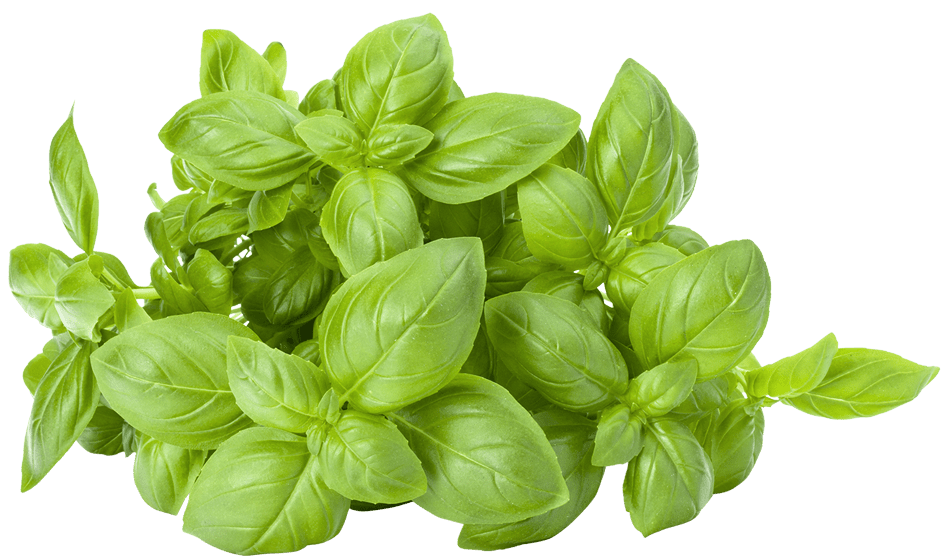
There is something timeless about the scent of a fragrant plant.
The aroma of lavender, the freshness of mint, the warmth of spices and the distinctive character of aromatic woods have been appreciated by people for generations. Long before modern wellness became a global industry, communities around the world were already incorporating plants and botanical ingredients into everyday rituals.
Today, essential oils, herbal remedies and aromatherapy continue to attract interest from people looking for simple ways to bring botanical traditions into modern life.
But what makes these aromatic oils so enduring?
Let’s take a journey through their history, traditional uses and place in modern wellness.
What Are Essential Oils?
Essential oils are highly concentrated aromatic substances obtained from plants. They contain compounds responsible for the characteristic scent of the plant from which they are derived.
Depending on the plant, these aromatic compounds can be obtained from different parts, including flowers, leaves, bark, roots, fruits or other plant materials.
Today, essential oils are commonly associated with aromatherapy, where they may be inhaled or, when appropriately diluted, applied to the skin.
Popular examples include oils derived from plants such as:
- Lavender
- Peppermint
- Lemon
- Ginger
- Tea tree
- Geranium
- Cedarwood
- Bergamot
Each has its own distinctive aroma and has been incorporated into different traditional and modern wellness practices.
A Tradition Older Than Modern Wellness
The popularity of essential oils may seem like a modern trend, particularly with the growing interest in natural products and holistic lifestyles.
In reality, the relationship between humans and aromatic plants is much older.
Different cultures have historically used aromatic plants for purposes ranging from personal care and fragrance to traditional wellness practices and religious or ceremonial rituals.
For example, peppermint and other mint plants have a long history of traditional use. The National Center for Complementary and Integrative Health notes that mint plants were used for health-related purposes in ancient Greece, Rome and Egypt.
Lavender provides another familiar example. Its name is derived from the Latin lavare, meaning “to wash”, and the plant has long been associated with bathing, fragrance and personal care.
This long history helps explain why aromatic plants remain so strongly connected with relaxation, cleanliness and personal wellbeing today.
From Herbal Remedies to Modern Aromatherapy
For centuries, plants have played an important role in traditional approaches to health and wellbeing.
Different cultures developed their own knowledge of local plants and botanical ingredients. These traditions resulted in countless forms of herbal remedies, including herbal preparations, aromatic plant materials, oils and other botanical products.
Modern aromatherapy is one of the practices that has developed from this broader relationship between people and aromatic plants.
The term generally refers to using essential oils from plants as a complementary wellness practice. Essential oils may be inhaled or used topically in appropriately diluted preparations.
Today, aromatherapy is often incorporated into:
- Massage
- Bath and body-care routines
- Relaxation rituals
- Home fragrance
- Personal wellbeing routines
- Spa experiences
For many people, the appeal is not necessarily complicated.
It is simply about enjoying a pleasant botanical aroma and creating a few moments to slow down.
Why Do People Enjoy Aromatherapy?
Our sense of smell is closely connected with memory and emotion.
A familiar scent can remind us of a particular place, person or experience. The smell of fresh herbs might remind someone of cooking at home, while the aroma of lavender might evoke a peaceful evening.
This makes fragrance an interesting part of personal wellness rituals.
However, it is important to distinguish between enjoying an aroma and making a medical claim about it.
Scientific research into aromatherapy continues, and the evidence differs depending on the oil, method of use and intended purpose. For some applications, researchers have found promising results, while for others there is not yet enough high-quality evidence to draw firm conclusions.
In other words, aromatherapy can be appreciated as part of a personal wellness routine without presenting it as a cure or treatment.
Essential Oils and the Ritual of Massage
One of the most popular ways to incorporate aromatic oils into a wellness routine is through massage.
Massage itself can be a relaxing ritual. Adding a suitable aromatic or herbal oil can make the experience more enjoyable by combining the physical ritual of massage with the sensory experience of botanical fragrance.
This is one reason essential oils and massage have become closely associated with modern spa and wellness culture.
For those interested in natural body care, a massage routine can be a simple way to create a few minutes of intentional self-care.
At OUCH! Herbal, this philosophy is particularly relevant to our approach to Indonesian herbal wellness.
Our Aromatherapy Herbal Oil is designed to complement everyday relaxation and personal wellness routines.
You can also explore the complete OUCH! Herbal collection to discover our range of herbal oil products.
Why Herbal Traditions Still Matter Today
Modern technology has changed almost every part of our lives.
We communicate through smartphones, work remotely, travel across continents and have access to information within seconds.
Yet our interest in nature has not disappeared.
In fact, natural and botanical products continue to have a place in modern lifestyles because they offer something that technology cannot easily reproduce: a connection with traditional knowledge and the natural world.
This is particularly interesting in Indonesia.
Indonesia has a rich heritage of traditional plant-based practices and botanical knowledge. The country’s diverse flora has contributed to a long-standing culture of herbal wellness.
At OUCH! Herbal, we are inspired by this heritage while developing products for modern consumers.
Our goal is to help introduce Indonesian herbal wellness to people beyond Indonesia, including customers in the United Kingdom and Europe.
From Ancient Traditions to Your Daily Routine
You do not need to completely change your lifestyle to incorporate botanical wellness.
Small rituals can be enough.
For example:
Morning
Begin your day with a fresh, uplifting environment.
After Work
Create a few quiet minutes to transition away from work.
After Exercise
Take time to cool down, stretch and relax.
Evening
Create a calming personal-care routine involving a warm shower, gentle massage or a pleasant botanical aroma.
The purpose is not to create an elaborate wellness ritual.
It is simply to make space for yourself.
Are Essential Oils Always Safe?
“Natural” does not automatically mean “risk-free”.
Essential oils are highly concentrated substances, and how they are used matters.
Some essential oils may cause skin irritation or allergic reactions, particularly when applied to the skin. Certain oils may also increase sensitivity to sunlight. Safety can vary according to the specific oil, concentration and method of use.
For this reason:
- Follow the instructions provided with the product.
- Do not assume that an undiluted essential oil is suitable for direct application to the skin.
- Avoid getting oils into the eyes.
- Keep products away from children unless specifically intended for them.
- If you have a medical condition, are pregnant or breastfeeding, or take medication, seek appropriate professional advice before using herbal or essential-oil products.
- Stop using a product if irritation or an allergic reaction occurs.
Essential oils should be treated with the same care and respect as any concentrated botanical product.
The Difference Between Tradition and Science
It is tempting to assume that because a plant has been used for hundreds or thousands of years, every traditional claim about it must be scientifically proven.
That is not necessarily the case.
Traditional knowledge can provide valuable insights and inspiration for modern research, but traditional use and clinical evidence are not the same thing.
Modern research continues to investigate how different essential oils and aromatherapy practices may affect wellbeing. However, the quality and quantity of evidence varies considerably between products and uses.
At OUCH! Herbal, we believe this distinction is important.
We can appreciate the cultural heritage of herbal wellness while remaining responsible about what we claim our products can do.
Why Aromatherapy Remains Popular
Perhaps the simplest explanation is also the most human.
People enjoy beautiful scents.
They enjoy massage.
They enjoy taking a warm bath after a long day.
They enjoy creating peaceful surroundings.
And they enjoy connecting with nature.
Aromatherapy brings many of these experiences together.
Whether inspired by ancient traditions or modern wellness culture, aromatic plants continue to occupy a fascinating place in our daily lives.
Discover Indonesian Herbal Wellness with OUCH! Herbal
At OUCH! Herbal, we are inspired by Indonesia’s long relationship with botanical wellness.
Our philosophy is simple: bring elements of Indonesian herbal traditions into practical products designed for modern lifestyles.
Our collection includes:
Each product is intended to complement everyday personal-care and wellness routines.
If you would like to learn more about our story and philosophy, visit About OUCH! Herbal.
And if you have questions about our products, you can Contact Us.
A Tradition That Continues
From ancient botanical traditions to today’s wellness routines, our relationship with aromatic plants has continued to evolve.
Essential oils may now be packaged in modern bottles, sold through international websites and incorporated into contemporary spa experiences, but the basic attraction remains familiar: the scent of plants, the pleasure of personal care and the desire to create moments of wellbeing.
That is perhaps why herbal remedies, botanical products and aromatherapy continue to fascinate people around the world.
Tradition may change.
Our lifestyles may change.
But our appreciation of nature remains.
And sometimes, bringing a little of that connection into everyday life is all part of taking care of ourselves.
Related Reading
- Introducing OUCH! Herbal: Indonesian Herbal Wellness for Modern Living
- 5 Simple Ways to Relieve Everyday Muscle Tension Naturally
- 5 Ways To Use an Essential Oil Diffuser
Health & Safety Disclaimer
This article is intended for general educational and wellness purposes only. It does not constitute medical advice and is not intended to diagnose, treat, cure or prevent any disease.
Essential oils and herbal products should be used according to their specific product instructions. If you have concerns about using essential oils or herbal products, particularly during pregnancy, breastfeeding, childhood or while taking medication, consult a qualified healthcare professional.
Sources
The information about essential oils, aromatherapy, traditional use and safety in this article has been informed by resources from the U.S. National Center for Complementary and Integrative Health (NCCIH), including its pages on aromatherapy, lavender, peppermint oil and complementary health approaches.