

Hay fever can turn a beautiful spring or summer day into an uncomfortable experience. Constant sneezing, itchy eyes, a blocked nose, and sinus pressure can make everyday activities feel exhausting.
Although hay fever is extremely common, many people still struggle to manage its symptoms effectively. Whilst there is no single cure, understanding your triggers and adopting supportive strategies can make a significant difference to your overall comfort and wellbeing.
In this article, we’ll explain what hay fever is, its common symptoms, practical ways to manage it, and how Ouch Herbal Aromatherapy may help provide additional comfort during allergy season.
What Is Hay Fever?
Hay fever, also known as allergic rhinitis, is an allergic reaction that occurs when the body’s immune system overreacts to harmless substances in the environment.
These substances, known as allergens, may include:
- Pollen from trees, grasses, and weeds
- House dust mites
- Mould spores
- Pet dander
- Airborne particles and pollutants
When a person with hay fever encounters these allergens, their immune system releases histamine and other chemicals that trigger inflammation and allergy symptoms.
Despite its name, hay fever does not cause a fever.
Common Symptoms of Hay Fever
Hay fever symptoms can range from mild to severe and may vary from person to person.
Common symptoms include:
1. Frequent Sneezing
Repeated sneezing is often one of the earliest signs of hay fever, especially in the morning.
2. Blocked or Runny Nose
Inflammation inside the nasal passages can cause congestion or excessive mucus production.
3. Itchy and Watery Eyes
Many people experience red, irritated, and watery eyes during allergy season.
4. Sinus Pressure and Headaches
Inflammation can create pressure around the forehead, cheeks, and eyes, sometimes leading to headaches.
5. Fatigue and Difficulty Concentrating
Poor sleep caused by nasal congestion may leave you feeling tired and less productive throughout the day.
What Triggers Hay Fever?
Different people react to different allergens. Some of the most common triggers include:
Seasonal Triggers
- Tree pollen during spring
- Grass pollen during late spring and summer
- Weed pollen during late summer and autumn
Indoor Triggers
- Dust mites
- Pet hair and dander
- Mould spores
Environmental Factors
- Windy weather
- Air pollution
- High pollen counts
Knowing your personal triggers can help you better manage your symptoms.
How to Manage Hay Fever Naturally
Whilst medical treatments are available, many people also adopt simple lifestyle strategies to reduce their discomfort.
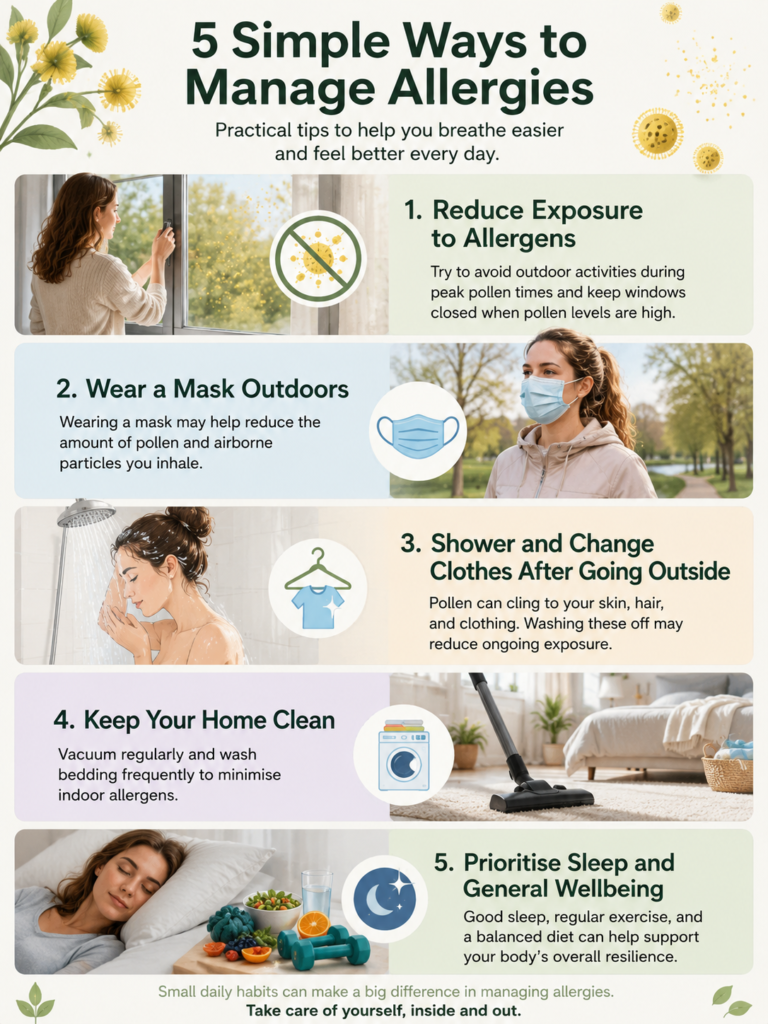
Reduce Exposure to Allergens
Try to avoid outdoor activities during peak pollen times and keep windows closed when pollen levels are high.
Wear a Mask Outdoors
Wearing a mask may help reduce the amount of pollen and airborne particles you inhale.
Shower and Change Clothes After Going Outside
Pollen can cling to your skin, hair, and clothing. Washing these off may reduce ongoing exposure.
Keep Your Home Clean
Vacuum regularly and wash bedding frequently to minimise indoor allergens.
Prioritise Sleep and General Wellbeing
Good sleep, regular exercise, and a balanced diet can help support your body’s overall resilience.
How Ouch Herbal Aromatherapy May Help During Allergy Season
Many people also seek natural supportive products to help improve their comfort whilst managing hay fever symptoms.
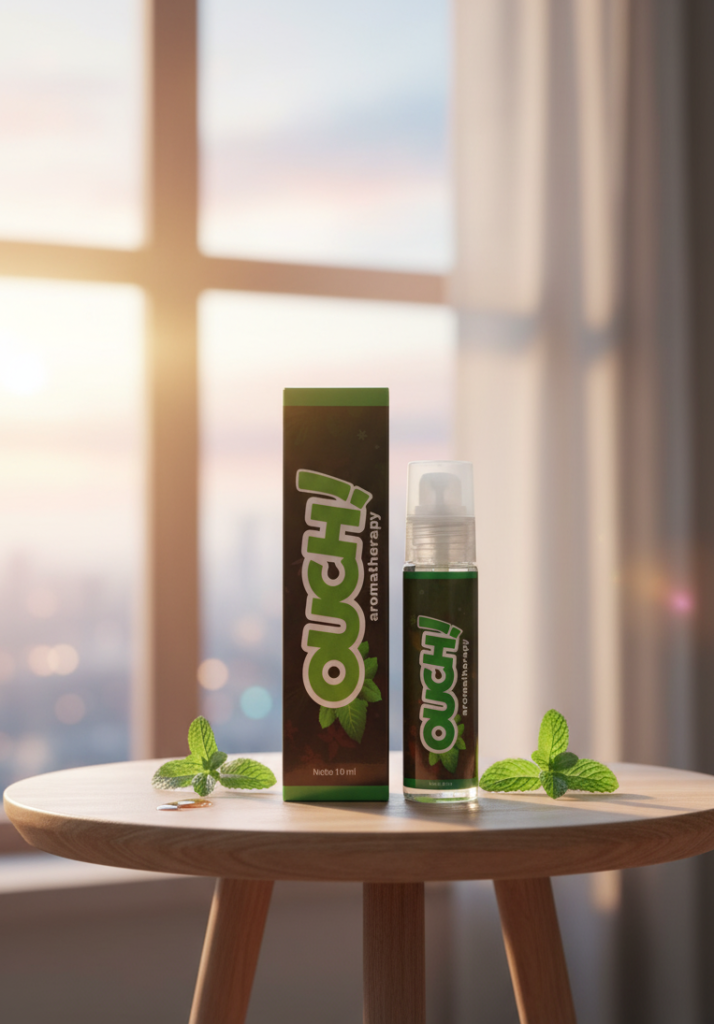
Ouch Herbal Aromatherapy is a premium herbal aromatherapy oil designed to promote relaxation and support daily wellbeing.
Its carefully selected ingredients include:
- Menthol (45%)
- Camphor (10%)
- Olive Oil (10%)
- Coconut Oil (24%)
- Lemon Oil (5.5%)
- White Oil (5%)
- Vanillyl Butyl Ether (0.5%)
Together, these ingredients create a refreshing, soothing, and warming aromatic experience.
Potential Benefits Users Have Reported
Many users have shared positive experiences, including:
- Feeling more comfortable during allergy season
- Experiencing a sensation of clearer breathing
- Reduced feelings of nasal congestion
- Less awareness of sinus pressure
- Greater relaxation and overall comfort
It is important to note that Ouch Herbal Aromatherapy is not a cure for hay fever and should not replace medical advice or prescribed treatment.
However, it may be used as part of a broader self-care routine to help improve comfort during periods when allergy symptoms are present.
How to Use Ouch Herbal Aromatherapy
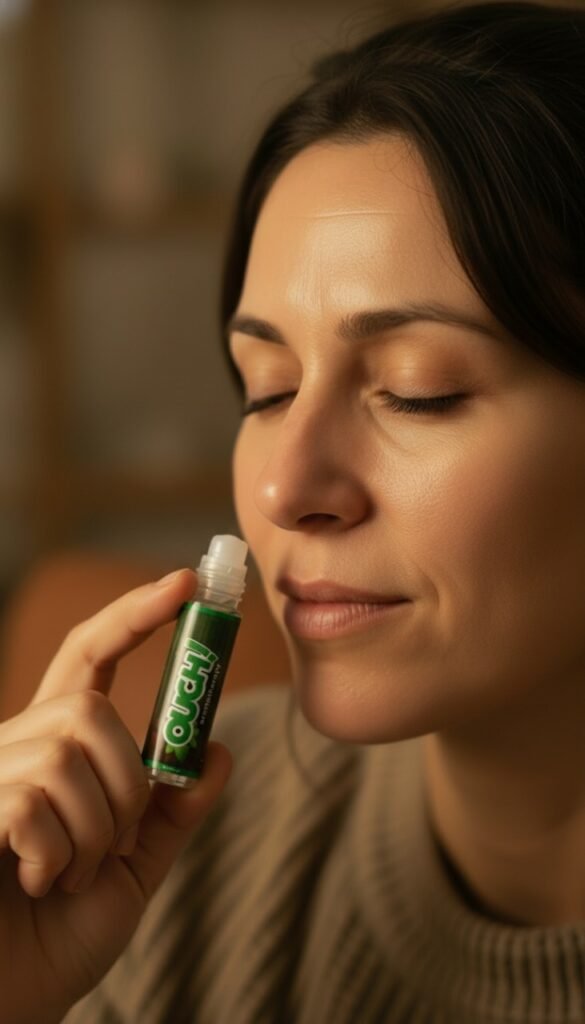
For daily use, apply a small amount to:
- Chest
- Neck
- Back
- Temples
It may also be used as a massage oil to promote relaxation and wellbeing.
Many people enjoy using it in the evening as part of a calming bedtime routine.
When Should You See a Doctor?
Seek medical advice if:
- Symptoms persist for several weeks
- Symptoms interfere with sleep or daily activities
- Breathing becomes difficult
- Over-the-counter treatments are no longer effective
A healthcare professional can help identify your specific triggers and recommend appropriate treatment options.
Final Thoughts
Hay fever may be common, but that doesn’t mean you have to suffer through it every year.
By understanding your triggers, reducing exposure to allergens, maintaining healthy habits, and incorporating supportive products into your daily routine, you can significantly improve your comfort during allergy season.
Ouch Herbal Aromatherapy offers a natural and soothing way to support relaxation and promote a sense of easier breathing, helping many people feel more comfortable throughout the day.
Whilst it is not a cure, it may become a valuable addition to your overall wellness routine.
Breathe easier, feel more comfortable, and enjoy the seasons ahead with confidence.
Disclaimer: This article is for informational purposes only and does not constitute medical advice. Ouch Herbal Aromatherapy is not intended to diagnose, treat, cure, or prevent any disease. Always consult a healthcare professional if you have persistent or severe symptoms.